One morning, a young professional walked into a café and confidently ordered a macchiato, expecting a sweet chocolate drink. Instead, they received a small, strong espresso with just a touch of milk. Surprised and slightly disappointed, they realized they didn’t truly understand the difference between mocha and macchiato.
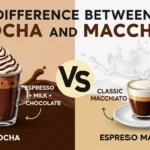
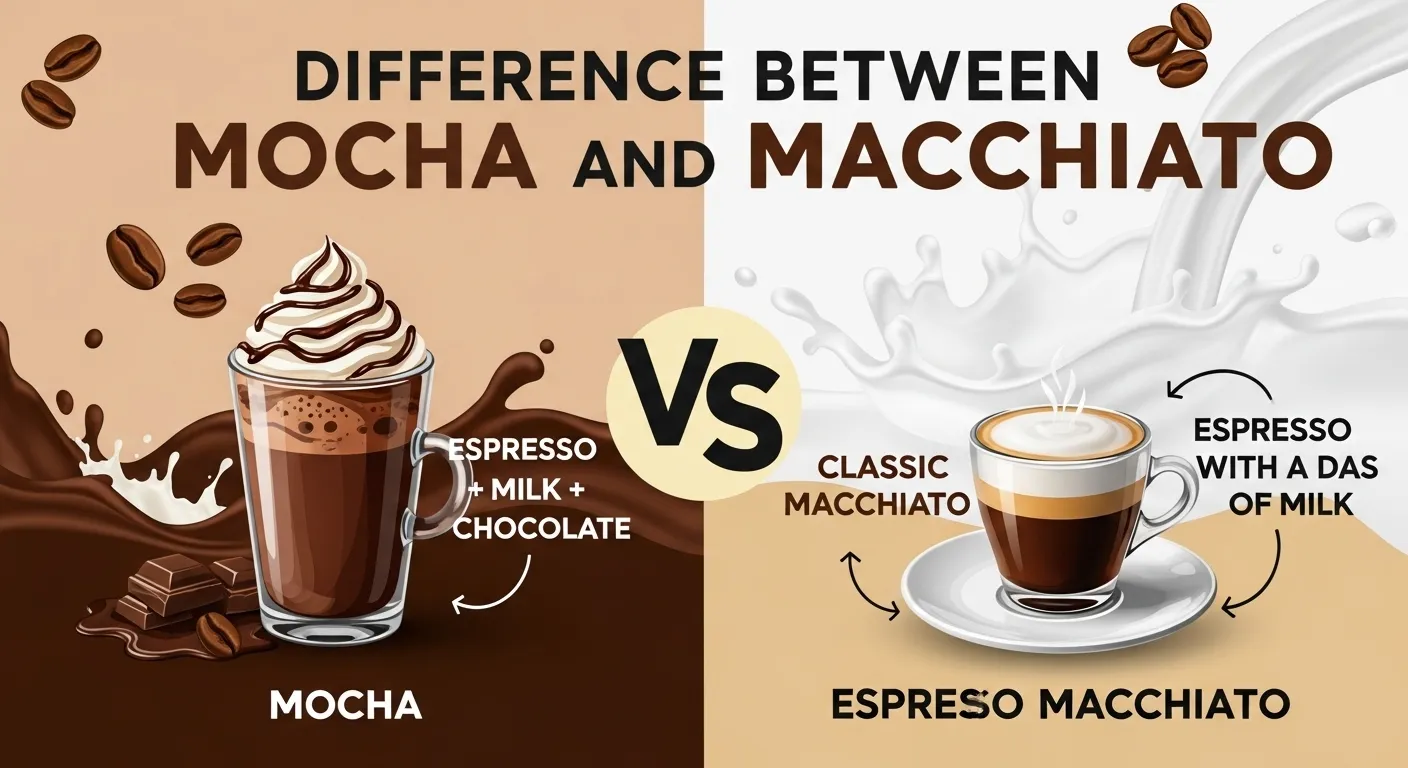
A mocha is a rich, chocolate-flavored coffee drink made with espresso, milk, and chocolate syrup. A macchiato, on the other hand, is a bold espresso “stained” with a small amount of milk. The difference between mocha and macchiato lies in taste, ingredients, and strength. Many people confuse them because both are espresso-based drinks. Knowing the difference between mocha and macchiato helps coffee lovers choose the right drink for their mood. Whether you prefer sweet indulgence or strong simplicity, understanding the difference between mocha and macchiato makes your café experience much better.
Key Difference Between the Both
The main difference is that mocha is sweet and chocolate-based, while macchiato is strong and minimally diluted espresso.
Why Is Their Difference Necessary to Know?
Understanding the difference between mocha and macchiato is important for both beginners and coffee experts. It helps customers order confidently and avoid disappointment. In today’s café culture, where coffee is a part of daily life and social interaction, knowing these differences improves communication and enhances personal taste choices. Experts benefit by explaining coffee accurately, while learners gain confidence in exploring global coffee traditions.
Pronunciation
- Mocha
- US: /ˈmoʊ.kə/
- UK: /ˈmɒk.ə/
- Macchiato
- US: /ˌmɑː.kiˈɑː.toʊ/
- UK: /ˌmæk.iˈɑː.təʊ/
Now that you know the basics, let’s dive deeper into the detailed comparison of these popular coffee drinks.
Difference Between Mocha and Macchiato
1. Ingredients
- Mocha: Espresso, milk, and chocolate.
- Example 1: Café mocha with whipped cream.
- Example 2: Iced mocha with chocolate syrup.
- Macchiato: Espresso with a small amount of milk.
- Example 1: Espresso macchiato.
- Example 2: Caramel macchiato (modern variation).
2. Taste
- Mocha: Sweet and chocolatey.
- Example 1: Dessert-like drink.
- Example 2: Smooth and creamy flavor.
- Macchiato: Strong and bold.
- Example 1: Intense coffee taste.
- Example 2: Slightly creamy but not sweet.
3. Milk Content
- Mocha: High milk content.
- Example 1: Steamed milk base.
- Example 2: Frothy top layer.
- Macchiato: Very little milk.
- Example 1: A small foam dollop.
- Example 2: Light milk stain.
4. Size
- Mocha: Usually large.
- Example 1: 12 oz café serving.
- Example 2: Large takeaway cups.
- Macchiato: Typically small.
- Example 1: Shot-sized serving.
- Example 2: Small espresso cup.
5. Purpose
- Mocha: For enjoyment and sweetness.
- Example 1: Evening treat.
- Example 2: Coffee dessert.
- Macchiato: For a quick caffeine boost.
- Example 1: Morning shot.
- Example 2: Energy kick.
6. Texture
- Mocha: Creamy and thick.
- Example 1: Smooth mouthfeel.
- Example 2: Rich foam.
- Macchiato: Light and sharp.
- Example 1: Thin liquid.
- Example 2: Slight foam layer.
7. Variations
- Mocha: Many flavored versions.
- Example 1: White chocolate mocha.
- Example 2: Mint mocha.
- Macchiato: Limited traditional variations.
- Example 1: Espresso macchiato.
- Example 2: Latte macchiato.
8. Caffeine Strength
- Mocha: Moderate strength.
- Example 1: Balanced caffeine.
- Example 2: Less intense than espresso.
- Macchiato: Strong caffeine hit.
- Example 1: Concentrated espresso.
- Example 2: Quick energy boost.
9. Popularity
- Mocha: Popular among sweet drink lovers.
- Example 1: Café menus worldwide.
- Example 2: Favorite of beginners.
- Macchiato: Popular among coffee purists.
- Example 1: Espresso bars.
- Example 2: Traditional coffee shops.
10. Origin Style
- Mocha: Inspired by chocolate-coffee blends.
- Example 1: Modern café culture.
- Example 2: Dessert beverages.
- Macchiato: Traditional Italian coffee.
- Example 1: Classic espresso drink.
- Example 2: Authentic café style.
Nature and Behaviour
- Mocha: Friendly, indulgent, and comforting. It behaves like a treat, combining coffee with dessert-like sweetness.
- Macchiato: Strong, direct, and minimalistic. It behaves like a quick, no-nonsense energy drink for coffee lovers.
Why People Are Confused About Their Use
People often confuse them because both contain espresso and are sold in similar cafés. Modern variations like caramel macchiato add sweetness, making them seem closer to mochas. Marketing and naming styles also blur the distinction.
Table: Difference and Similarity
| Feature | Mocha | Macchiato | Similarity |
| Taste | Sweet, chocolatey | Strong, bold | Both use espresso |
| Milk Content | High | Very low | Contain milk |
| Size | Large | Small | Served hot or cold |
| Purpose | Dessert-like drink | Energy boost | Café beverages |
| Texture | Creamy | Light | Coffee-based drinks |
Which Is Better in What Situation?
Mocha is better when you want a relaxing and sweet experience. It is perfect for evenings, casual meetups, or when you crave something dessert-like. Its chocolate flavor makes it enjoyable even for people who do not usually like strong coffee.
Macchiato is better when you need a quick and strong caffeine boost. It suits busy mornings or work breaks when you want energy without extra calories. Its bold flavor is ideal for those who enjoy pure coffee taste.
Metaphors and Similes
- Mocha is like a chocolate hug in a cup.
- Macchiato is like a sharp wake-up call.
- Mocha flows like melted chocolate.
- Macchiato hits like a lightning bolt of energy.
Connotative Meanings
- Mocha
- Positive: Comfort, indulgence
- Negative: Too sweet (for some)
- Neutral: Coffee beverage
- Example: “She enjoyed a mocha after dinner.”
- Macchiato
- Positive: Strength, clarity
- Negative: Too strong
- Neutral: Espresso drink
- Example: “He ordered a macchiato to stay alert.”
Idioms or Proverbs
(Adapted creatively)
- “Wake up and smell the coffee” → A macchiato helps you do that quickly.
- “Sweeten the deal” → A mocha makes any moment better.
Works in Literature
- Coffee and Cigarettes – Charles Bukowski (Poetry, 1978)
- The Coffee Trader – David Liss (Historical Fiction, 2003)
Movies Related to Coffee Culture
- Coffee and Cigarettes (2003, USA)
- Barista (2015, USA)
FAQs
1. Is mocha stronger than macchiato?
No, macchiato is stronger because it has less milk.
2. Is mocha always sweet?
Yes, it usually contains chocolate, making it sweet.
3. Can macchiato be sweet?
Traditional macchiato is not sweet, but modern versions can be.
4. Which is better for beginners?
Mocha is better due to its mild and sweet taste.
5. Why is macchiato so small?
It is meant to be a quick espresso-based drink.
How Both Are Useful for Surroundings
Mocha adds comfort and enjoyment to social gatherings, while macchiato supports productivity by providing quick energy. Together, they enrich café culture and daily routines.
Final Words for Both
Mocha is about pleasure and flavor, while macchiato is about strength and simplicity. Both offer unique experiences for coffee lovers.
Conclusion
Understanding the difference between mocha and macchiato helps you appreciate coffee more deeply. While mocha delivers sweetness and comfort, macchiato offers boldness and intensity. Each has its own place in coffee culture, catering to different moods and preferences. By knowing their ingredients, taste, and purpose, you can confidently choose the perfect drink. Ultimately, both beverages highlight the versatility of coffee, making every sip a personalised experience.

I am a professional SEO content writer specialising in comparison-based and grammar-focused articles. Through my website GrammarCompare.com, I help readers clearly understand the difference between confusing terms with well-researched, easy-to-read content. My expertise lies in focusing on clarity, accuracy, and practical explanations that improve both knowledge and writing skills.